
the perspective.
Add an approved founder or studio portrait.
Pair it with a verified name, role and short biography.
Start with
the place.
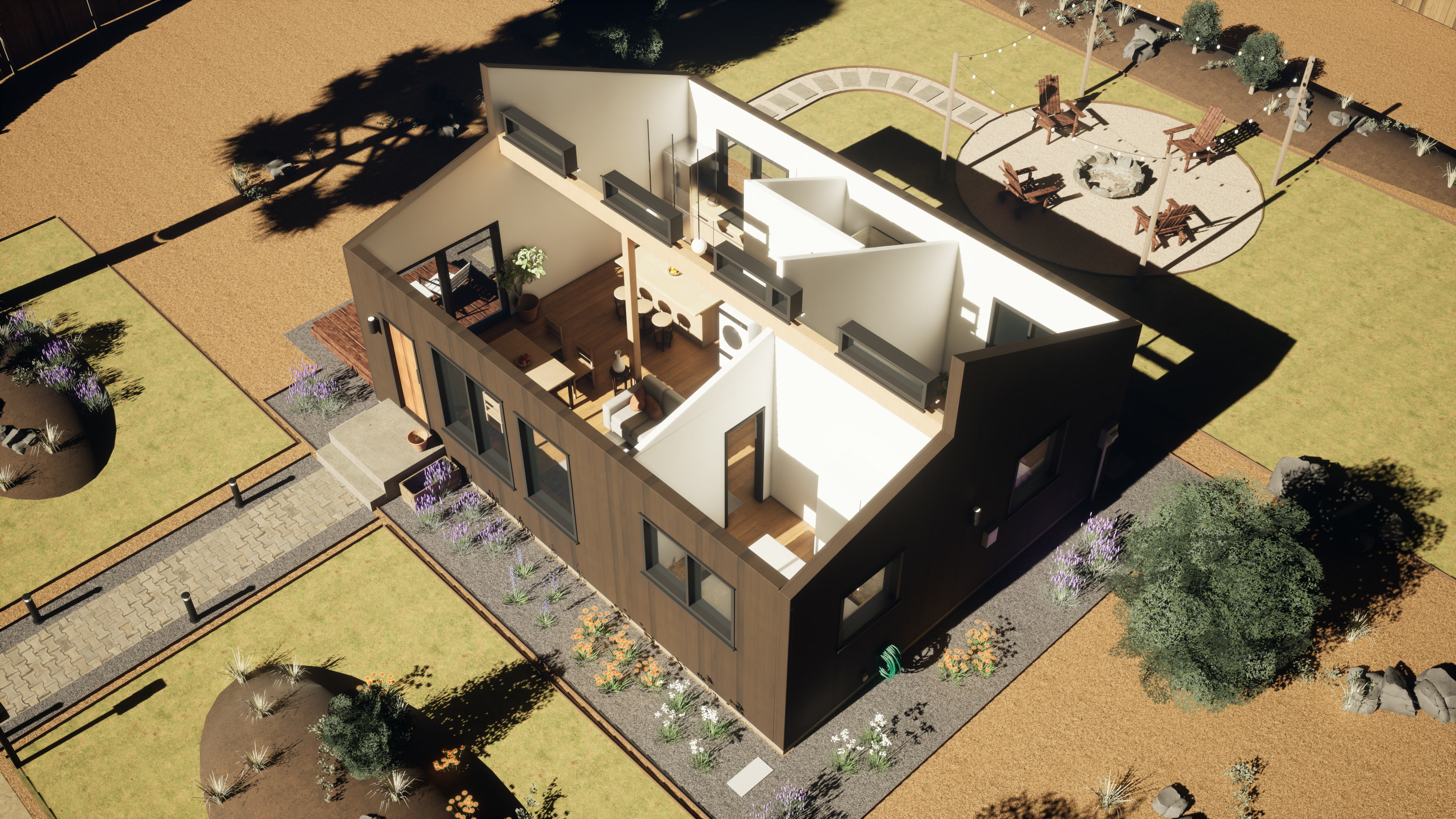
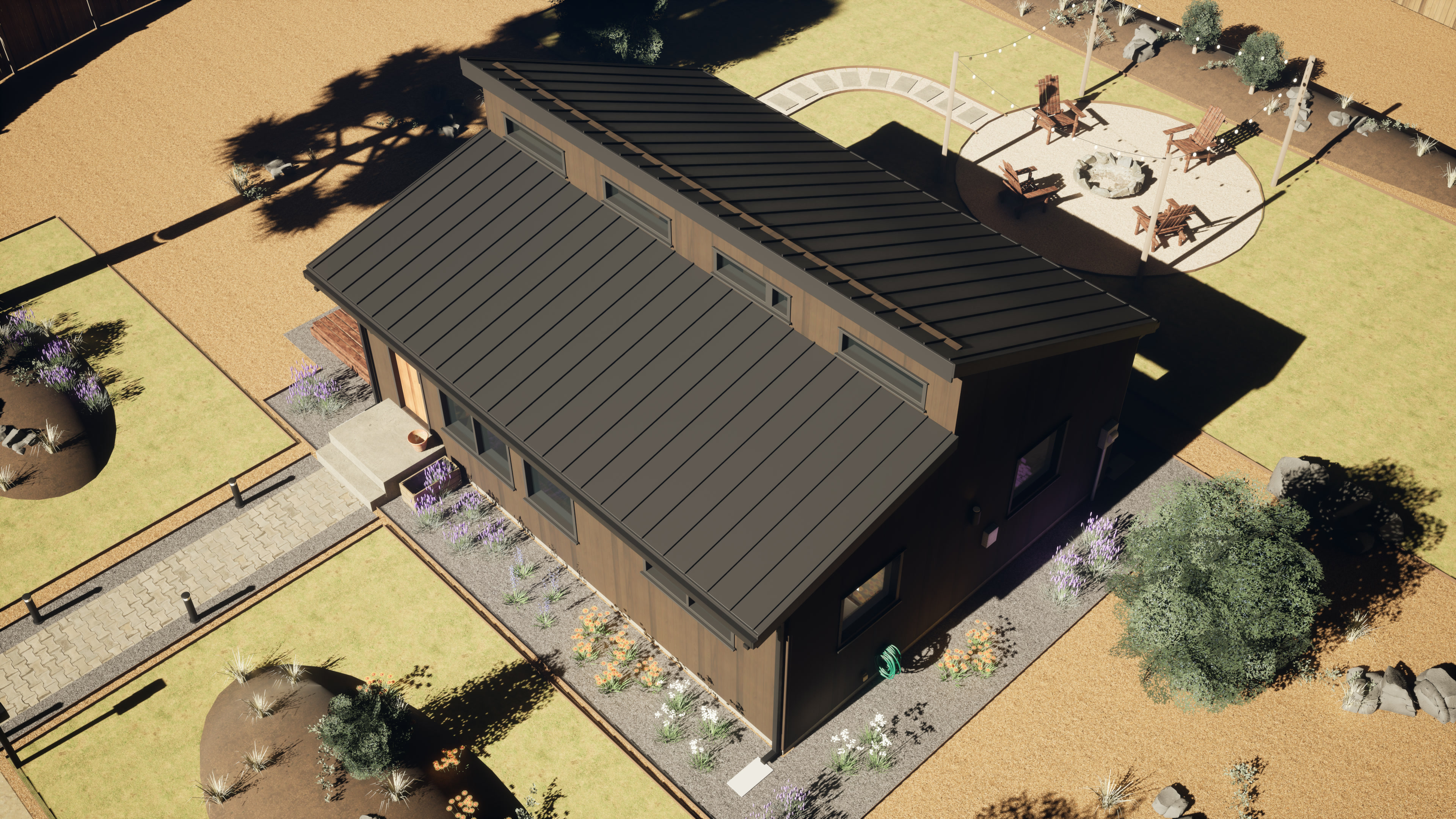
The view belongs to the project: its setting, the way its spaces connect and the atmosphere people might experience.
Connect the building to its approach, landscape and surroundings.
Keep the plan, model and finished views consistent.
Let materials and light help explain the character of the space.
A clear brief.
A shared
direction.
Good visual work starts with understanding what the project needs to communicate.
Based in Central Oregon, Finial Form brings a considered eye to the relationship between drawings, imagery and exploration.
- The audience
- Who needs to understand the development, and what do they need to see?
- The launch
- Where will the material appear, and which presentation or launch date matters?
- The scope
- Which buildings, spaces and viewpoints belong in the commission?
- The review
- Agree the deliverables, feedback rounds and delivery requirements before production.
Your project’s needs guide the level of detail and exploration.
Bring the plans.
Let’s frame
the story.
A single image set or a wider immersive experience. Begin with what you need your audience to understand.
Start with
the project.
The development. The audience.
The intended launch.
Share a few details in the development brief. Drawings and references can follow.